Author: Simon Krasnow
The third week of our time in Italy started with an extended holiday weekend. Monday and Tuesday were part of the Festa della Repubblica, celebrated each year on June 2 to commemorate Italy’s vote to become a republic following World War II. Because of the holiday, most of the IRES cohort spent Sunday through Tuesday exploring Rome.
Most of us arrived in Rome on Sunday, May 31. After settling into our accommodations, we were treated to a tour of the city by our excellent guide for the weekend, Samuele Paolangeli, a Ph.D. student in Tommaso Salzillo’s research group. Our first destination was the Colosseum, but we quickly discovered that Rome had another surprise in store for us.
By complete coincidence, the final stage of the 2026 Giro d’Italia was finishing in Rome that same day. For those unfamiliar with professional cycling, the Giro d’Italia is one of the sport’s three Grand Tours, alongside the Vuelta a España and the Tour de France. Stumbling upon the final stage was like visiting Paris and unexpectedly witnessing the finish of the Tour de France. We were incredibly lucky to experience such a major sporting event.
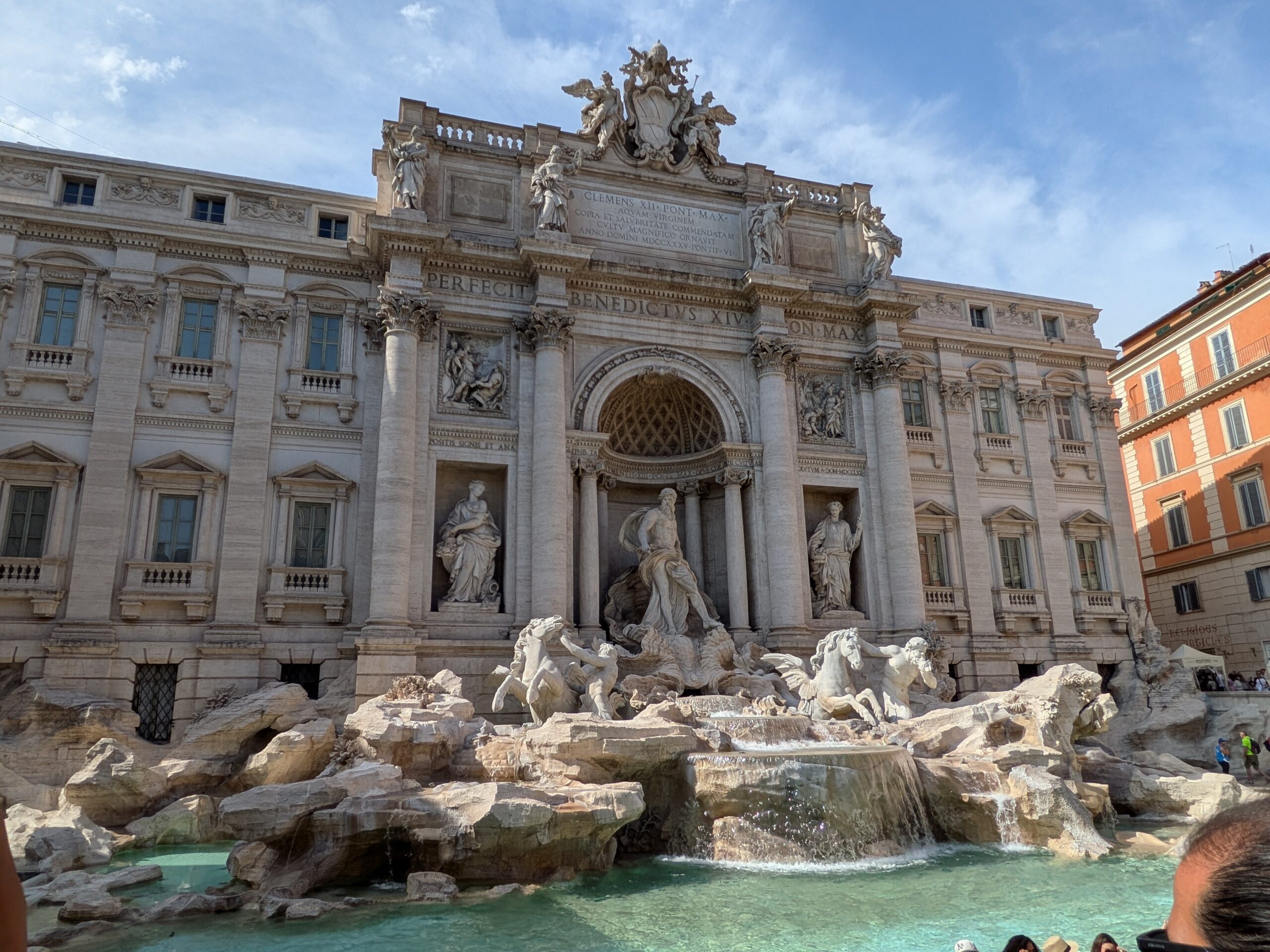
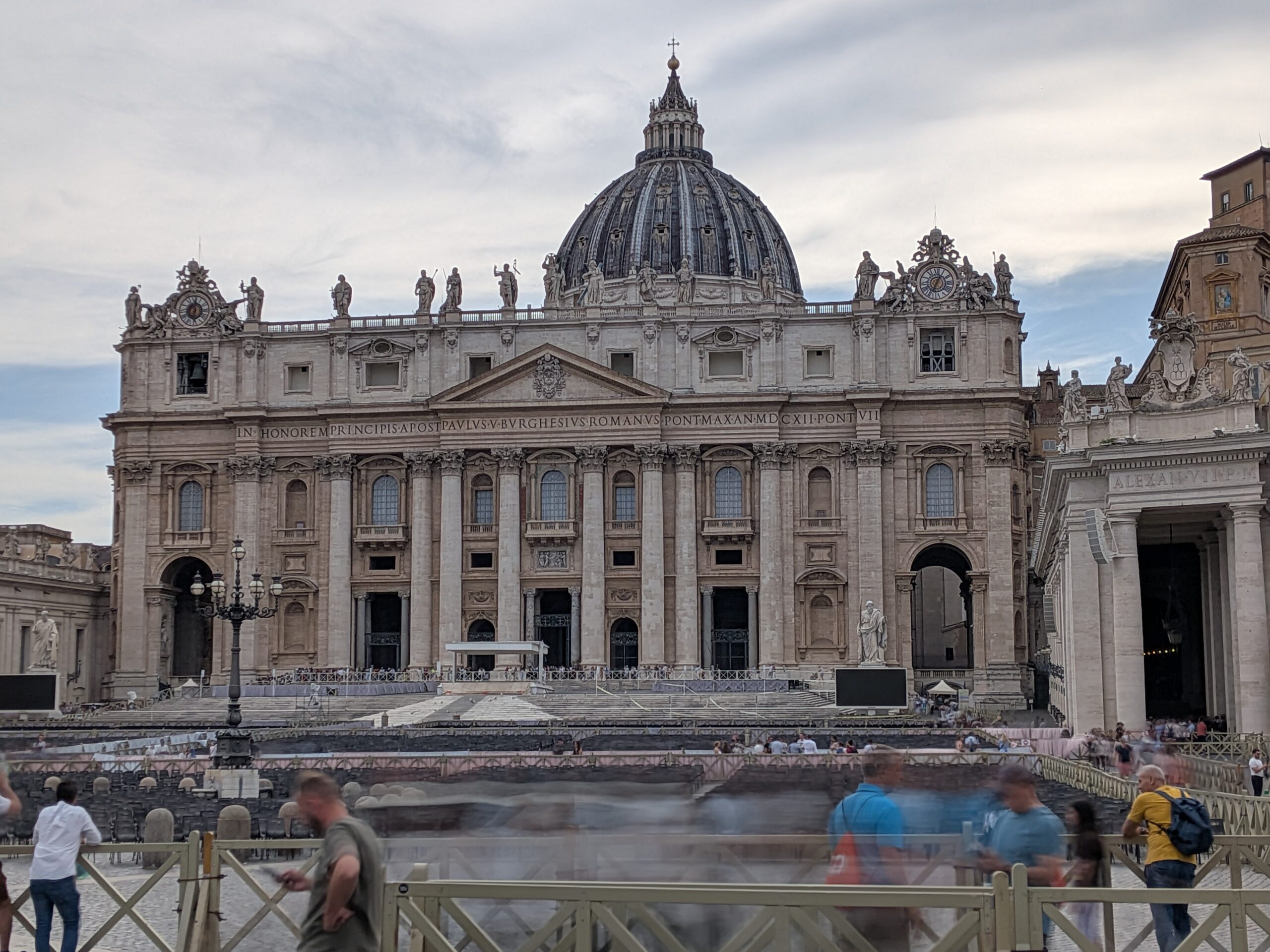
Monday’s itinerary included the Spanish Steps, the Trevi Fountain, and Saint Peter’s Basilica. The scale and grandeur of Saint Peter’s Basilica were especially impressive, while the Trevi Fountain was every bit as beautiful as expected.
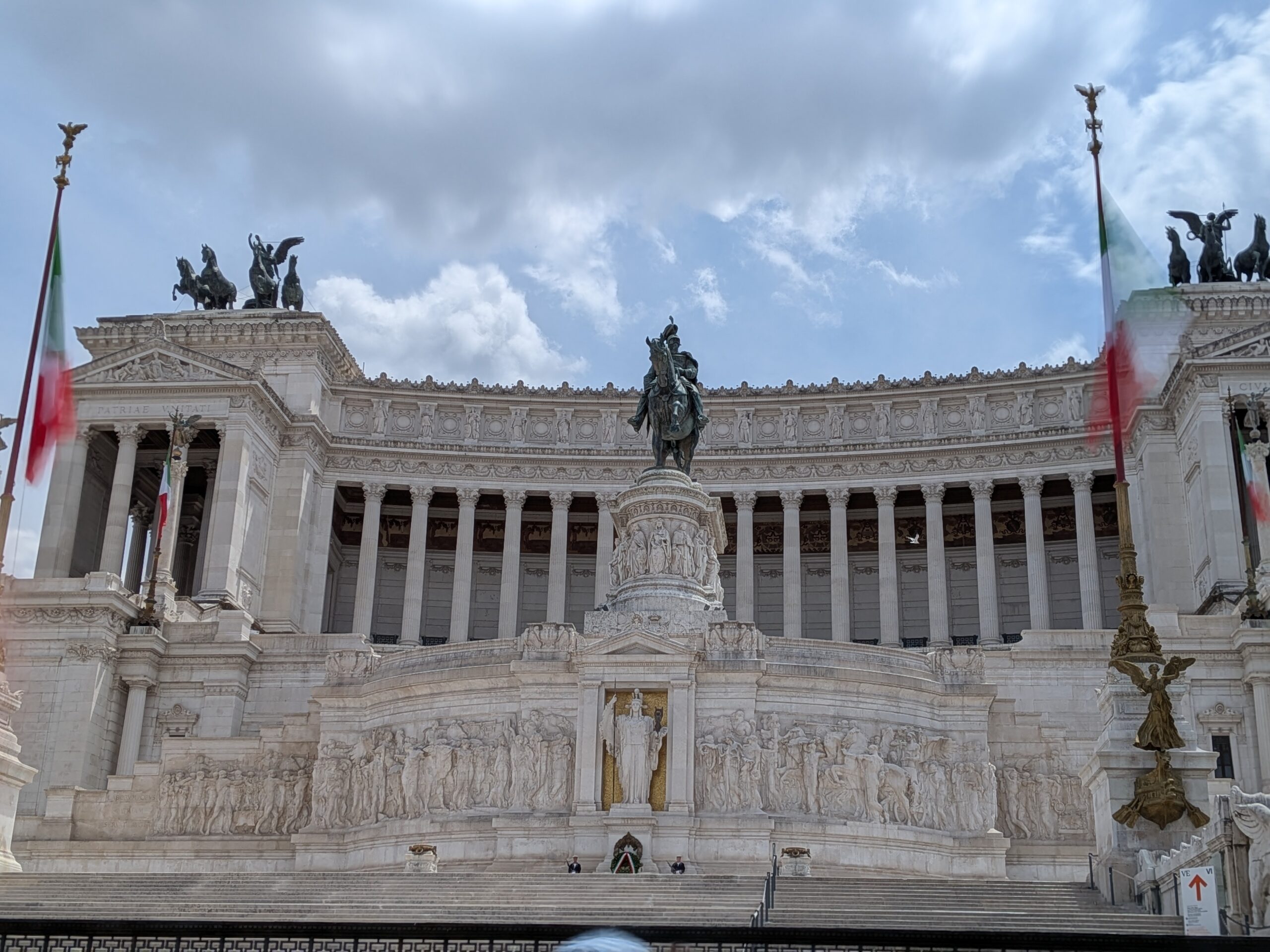
On Tuesday, we visited the Roman Forum and saw the exterior of the Pantheon before heading back to our respective cities by train and bus. One of my personal highlights was the Victor Emmanuel II Monument. While many Italians apparently consider it a garish eyesore, I found it to be an imposing and fascinating landmark.
While we were enjoying Rome, science was still happening back in Modena. Before leaving, we had prepared solutions and left them to slowly evaporate. Toluene can take several days to evaporate completely, making the long weekend the perfect opportunity for crystallization to occur.
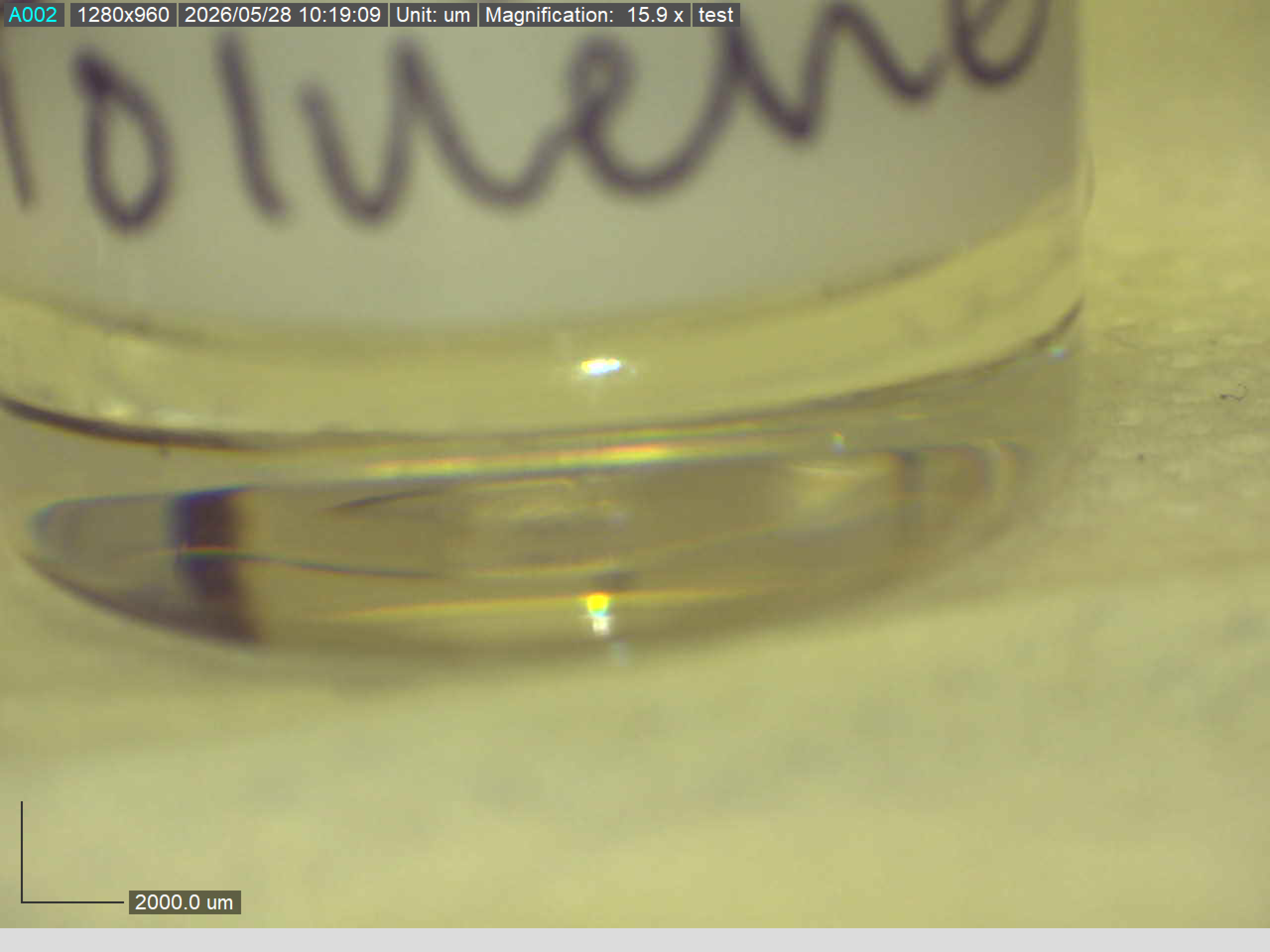
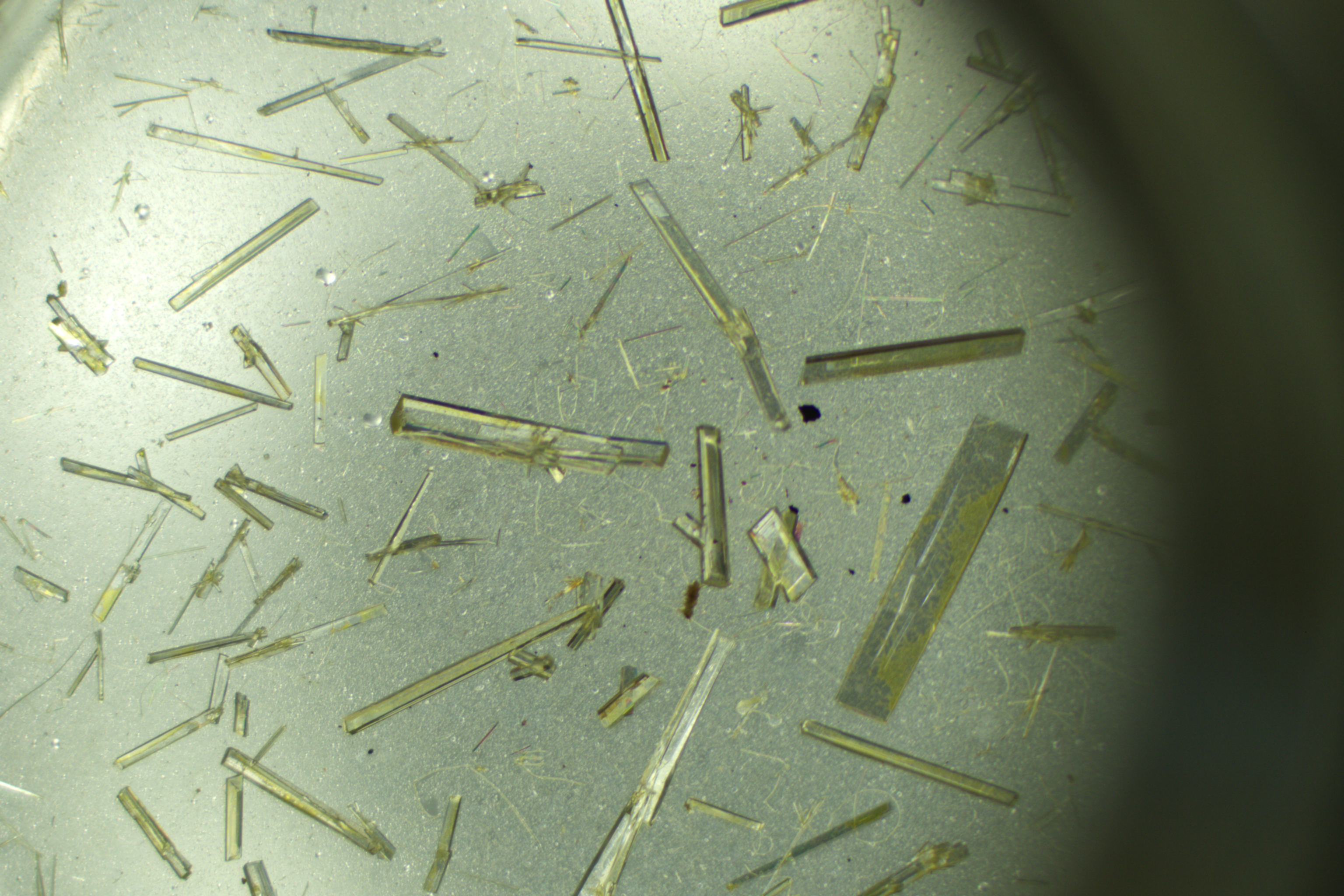
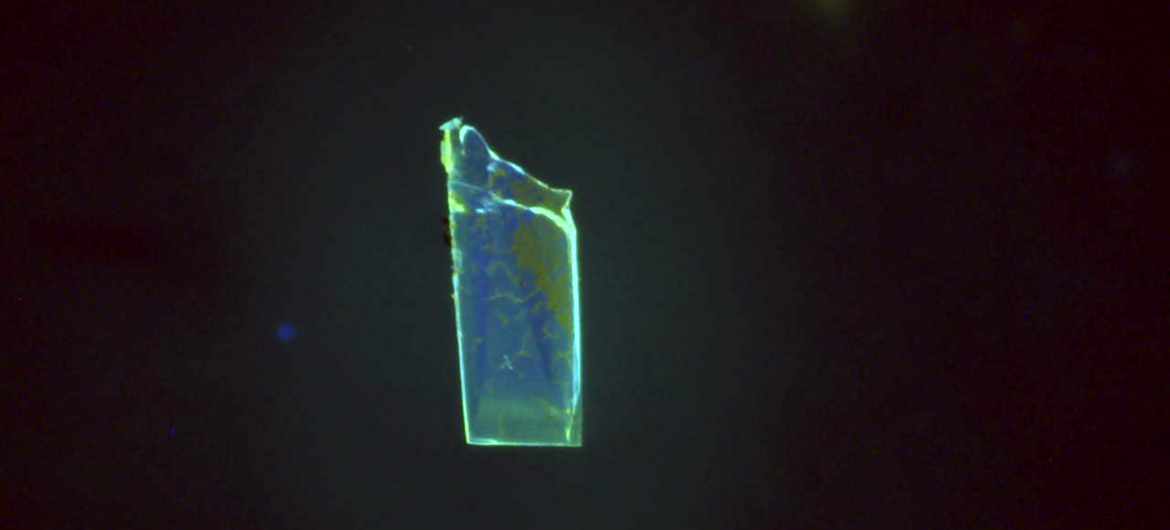
In this case, we were crystallizing di-tert-butyl-pyrene. One of the most obvious observations after returning was the effect of concentration on crystal growth. Samples prepared at 20 mg/mL produced larger, clearer crystals than those prepared at 1 mg/mL, demonstrating how crystallization conditions can dramatically affect crystal quality.
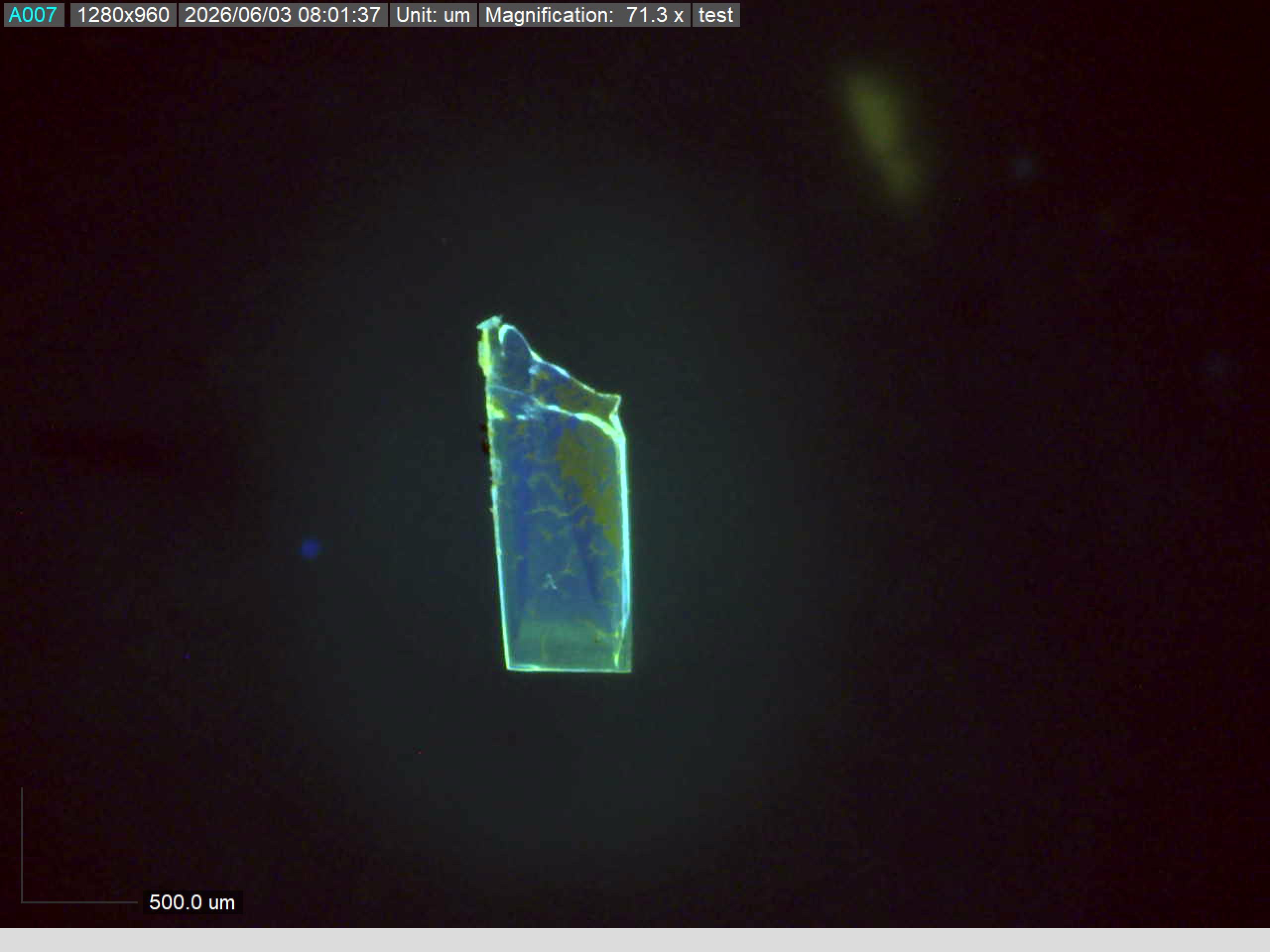
An added bonus was that the pyrene crystals fluoresced brightly under ultraviolet light, making them especially fun to image and characterize.
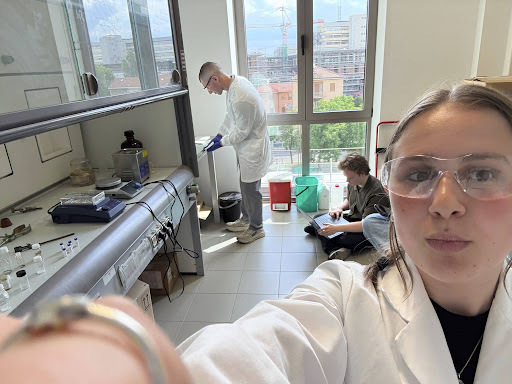
While these crystals were primarily intended as a way to gain experience growing and imaging single crystals, Thursday marked the arrival of the materials that will be used for the main focus of our project. Ava and Dominic traveled from Parma to Modena to collect samples, which were then distributed among the groups in Bologna and Parma for Raman spectroscopy, FTIR spectroscopy, and X-ray diffraction studies.
On Friday, all members of the 2026 IRES cohort gathered in Bologna along with our faculty mentors to present what we had accomplished during our first two weeks in Italy and discuss plans for the weeks ahead. It was exciting to hear about the different projects taking shape across the three host institutions.
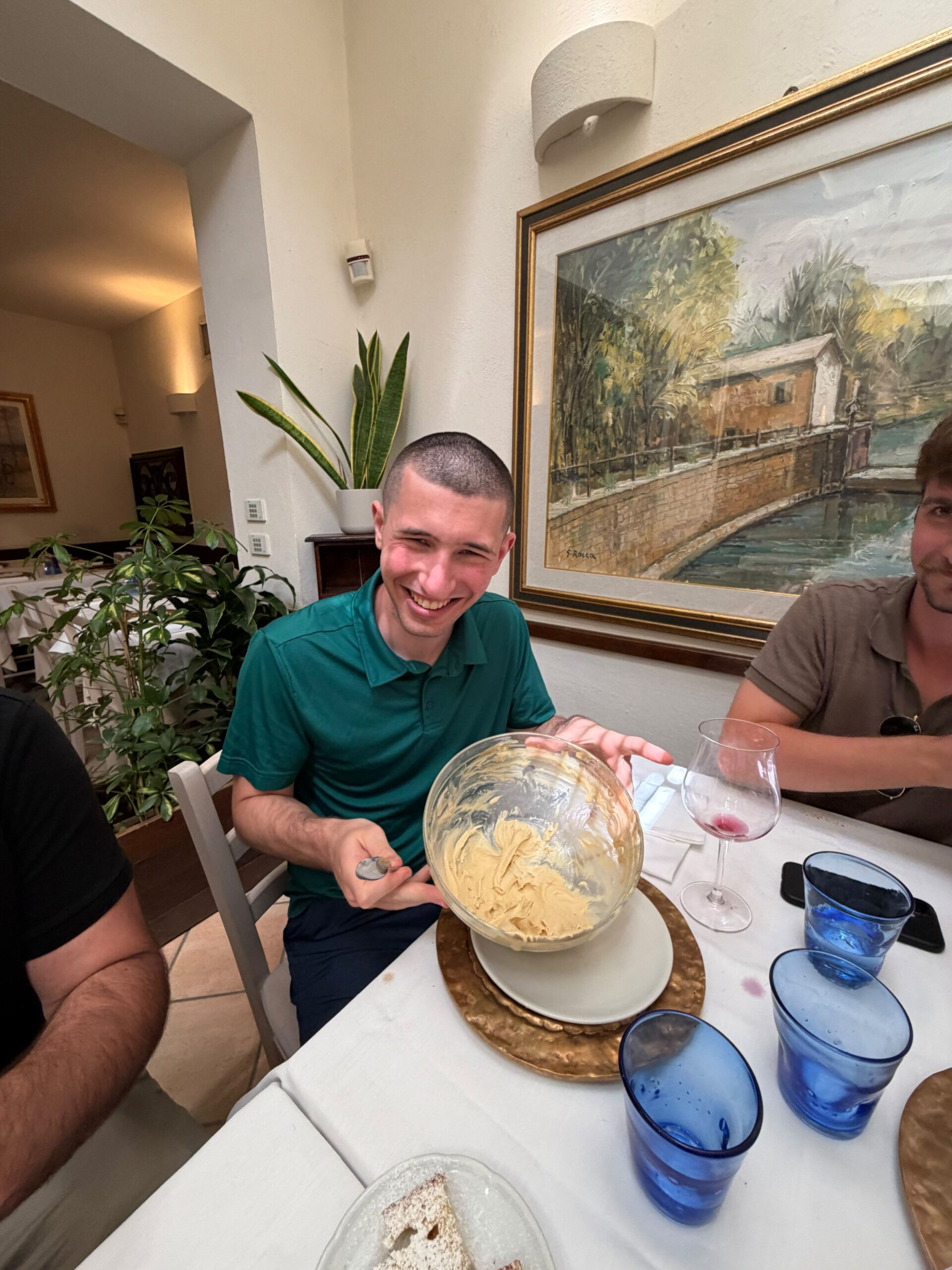
After the presentations, we all went out for lunch. For me, the highlight was dessert. Nearly everyone ordered gelato, prompting the restaurant to bring out a massive serving bowl. As individual portions were distributed, one final bowl remained. Rather than scooping out the last serving, the staff simply handed the entire bowl to me.
Looking ahead to next week, most of us are excited to finally dive into the core research activities using the samples that arrived from Rochester. In Modena, our immediate goal is to grow crystals large and high-quality enough for single-crystal X-ray diffraction and complementary spectroscopic characterization. After several weeks of preparation, travel, and training, we’re ready to get started on the science.


