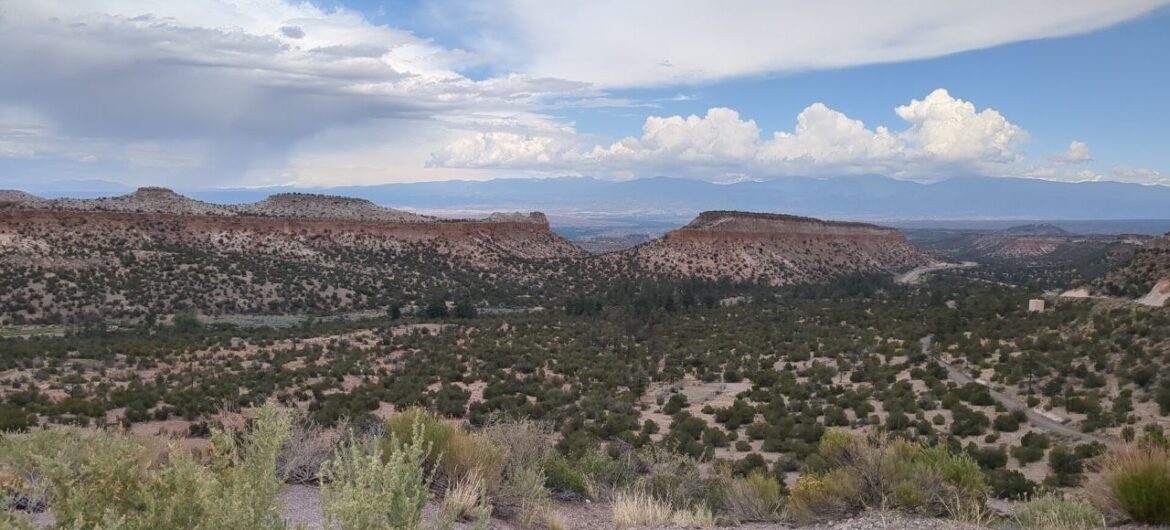
This past June, I had the incredible opportunity to spend two weeks at the Los Alamos National Laboratory (LANL) Computational Condensed Matter Summer School. As a PhD student working with actinide compounds, LANL is definitely the place to go if you want to learn how to model these systems, and understand why standard density functional theory (DFT) can sometimes fail.
The school was especially designed to address these kinds of challenges for strongly correlated systems, where many-body effects are important. The lectures focused heavily on how to go beyond DFT using Green’s function methods, simulating X-ray absorption spectra, and especially how to bridge the gap between simulations and experimental results. We learned from illustrious speakers about advanced DFT techniques, Green’s function approaches, and molecular dynamics (MD), together with leading experimentalists specializing in ARPES (Angle-Resolved Photoemission Spectroscopy), X-ray spectroscopy, and modern machine learning techniques for materials discovery.
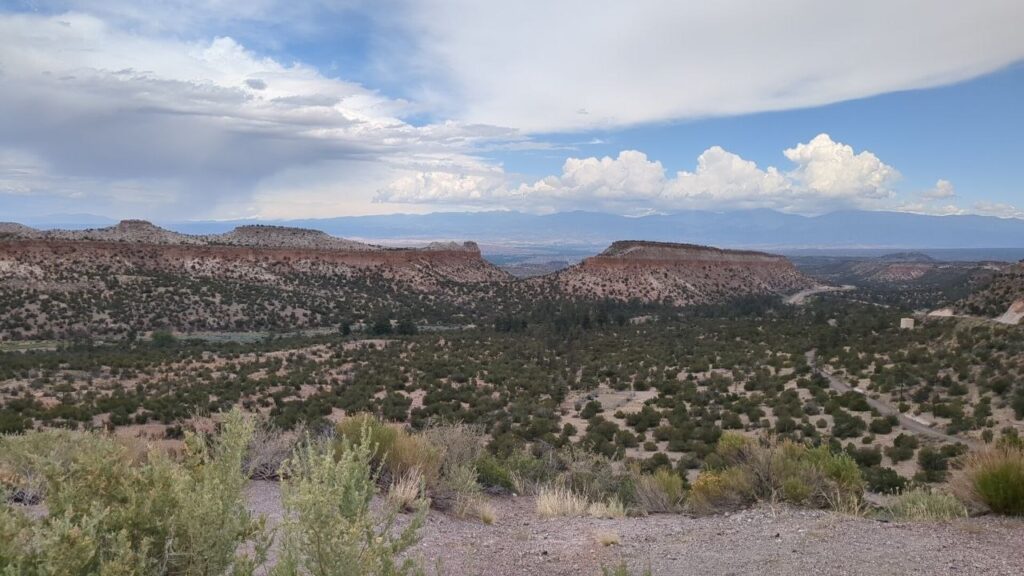
It’s hard to imagine a better place to talk about electronic structure than Los Alamos. Located on the Pajarito Plateau, the laboratory is surrounded by beautiful canyons in northern New Mexico. The school was deeply committed to emphasizing the connection between simulations and experiments. In between heavy theoretical lectures, we visited LANL’s cutting-edge facilities, such as: the center for integrated nanotechnologies (CINT), the neutron science center (LAMPF), and the high magnetic field lab (NHMFL). It was amazing to get a glimpse of the everyday life of many dedicated researchers working in these facilities.
A big thank you is due to the organizing committee, particularly Christopher Lane and Elizabeth Peterson. Elizabeth handled the mountain of bureaucratic paperwork required to get us all cleared to enter the lab. Christopher was with us every single day, keeping everyone on track with the crazy schedule. Beyond this, Chris delivered a great, highly accessible introduction to Green’s function methods, and in addition to being a great lecturer, he also proved to be a great griller at the social picnics we organized. The welcoming attitude of the people at LANL left a really nice impression of the lab’s open and collaborative culture.
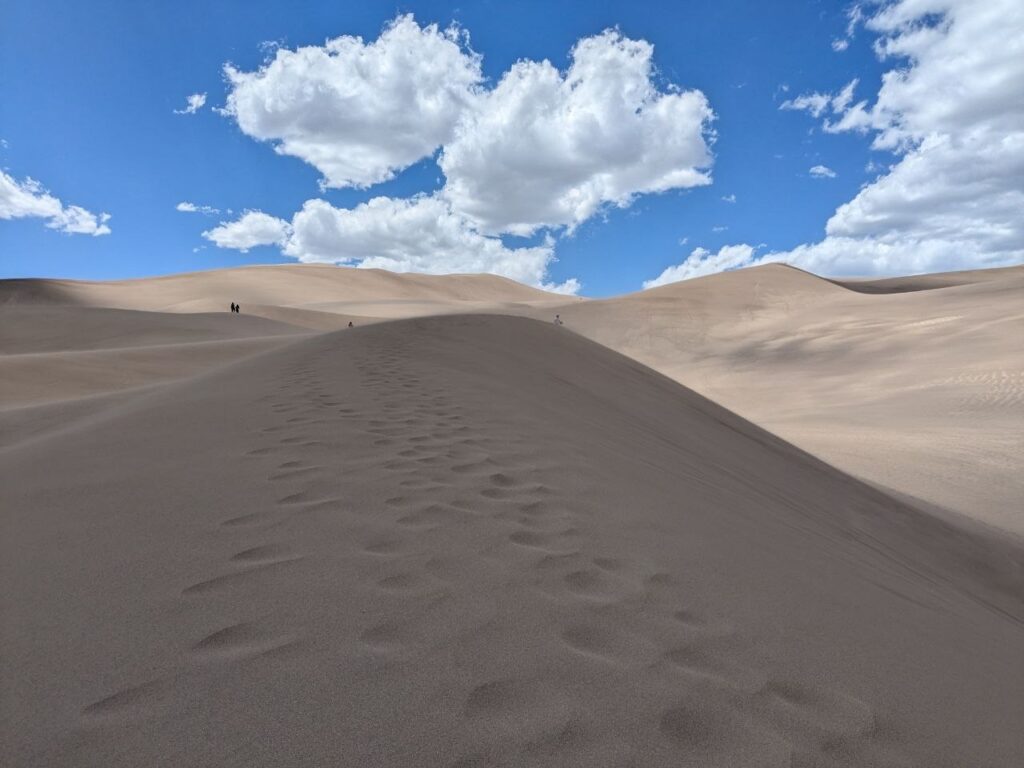
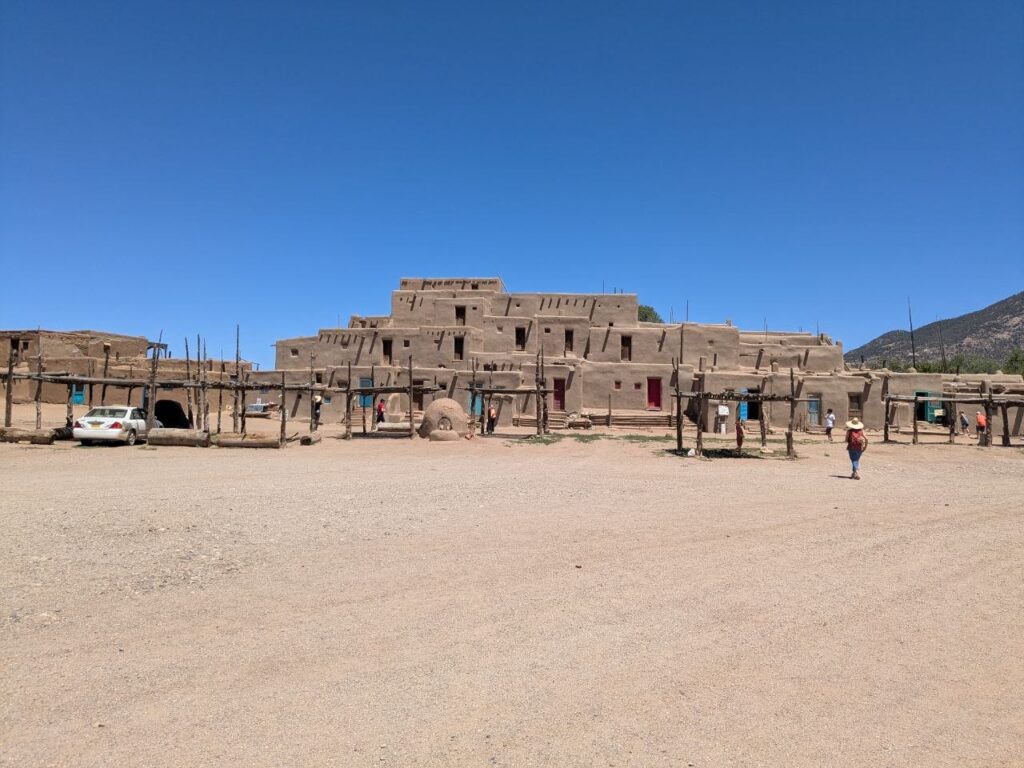
During our free time, we had the chance to explore the beautiful southwest landscape. We spent some evenings in the lively Santa Fe, but our major adventure was a road trip north across the Colorado border. We visited the beautiful Great Sand Dunes national park. It was amazing to stand on these huge sand dunes right at the feet of the massive Colorado mountains. We climbed the sand dunes, which resulted in me getting some nice blisters from the incredibly hot sand. On our way back, we stopped at Taos Pueblo, a beautifully preserved native american community.
The most valuable part of the school was of course meeting new people. Connecting with other graduate students and postdocs was highly motivating. I formed new friendships that I know will carry forward into my academic career. In addition, being exposed to the inside culture of a national lab was especially valuable. The collaborative environment, combined with the new great contacts I made, left me with a will to return to LANL in the future.
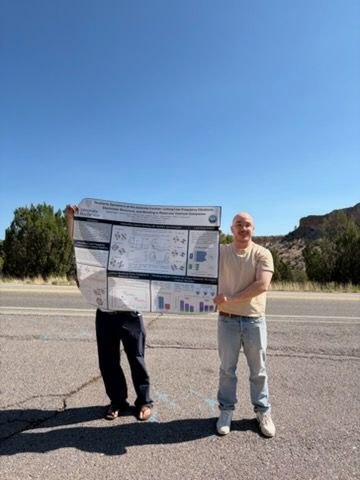
Overall, the school was an incredible experience. It gave me a new toolkit of condensed matter techniques, especially Green’s function methods, that I will integrate into my projects. I return to Rochester with fresh ideas, healed feet, and fantastic memories of the New Mexico experience, and I cannot wait to cross paths with the people at LANL again.


